Tropical ecology,
studied hands-on
We run practical workshops on tropical ecosystems — structured around observation, fieldwork methods, and real data. Not lectures. Not slides. Work you can actually do.
Where this started
Halmer Izo came out of a simple frustration: most tropical ecology courses spent too much time on theory and too little on what fieldwork actually looks like. The gap between reading about canopy stratification and understanding it from collected data is considerable.
We built workshops that close that gap. Every session is structured around a specific problem — species mapping, microclimate variation, soil moisture gradients — with assignments that produce something tangible.
Participants use real datasets, tools like QBO Intuit for organizing observational records, and structured peer review to check each other's methods. The feedback loop matters as much as the content.
Field ecology is mostly about noticing what you expected to see and then figuring out what you actually saw instead.


How we approach the work
Three things shape every workshop we design.
Problems before concepts
Each workshop opens with a concrete ecological question. The theory follows from what participants observe, not the other way around.
Methods you can repeat
Every technique introduced in a session is documented well enough that participants can apply it independently in a different context.
Honest about complexity
Tropical ecosystems are genuinely complicated. We don't simplify to the point of being misleading. Results take time, and that's the point.
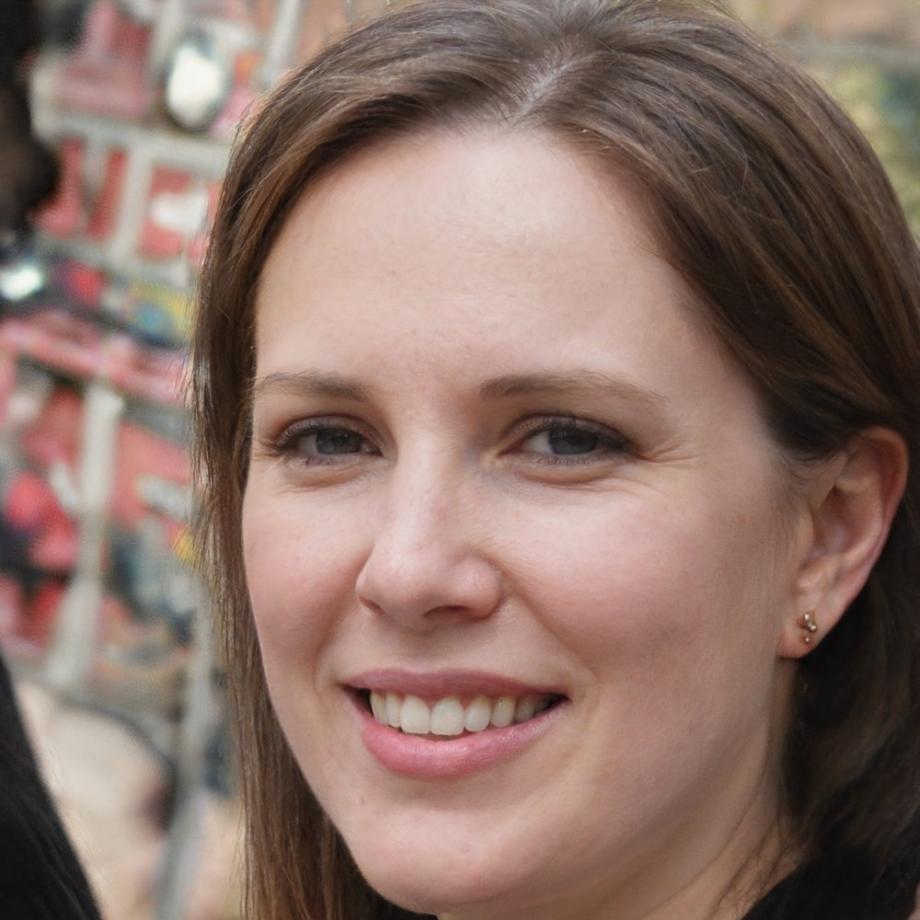 Instructor
Dorota Falkenrath
Lead Ecology Instructor
Dorota has spent the better part of a decade working on vegetation dynamics in humid tropical zones. She brings that experience directly into workshop design — the assignments she writes are built from problems she has actually encountered in fieldwork, not adapted from textbook examples.